
Glutathione: The Master Antioxidant and Its Incredible Benefits.
Updated: May 16, 2025
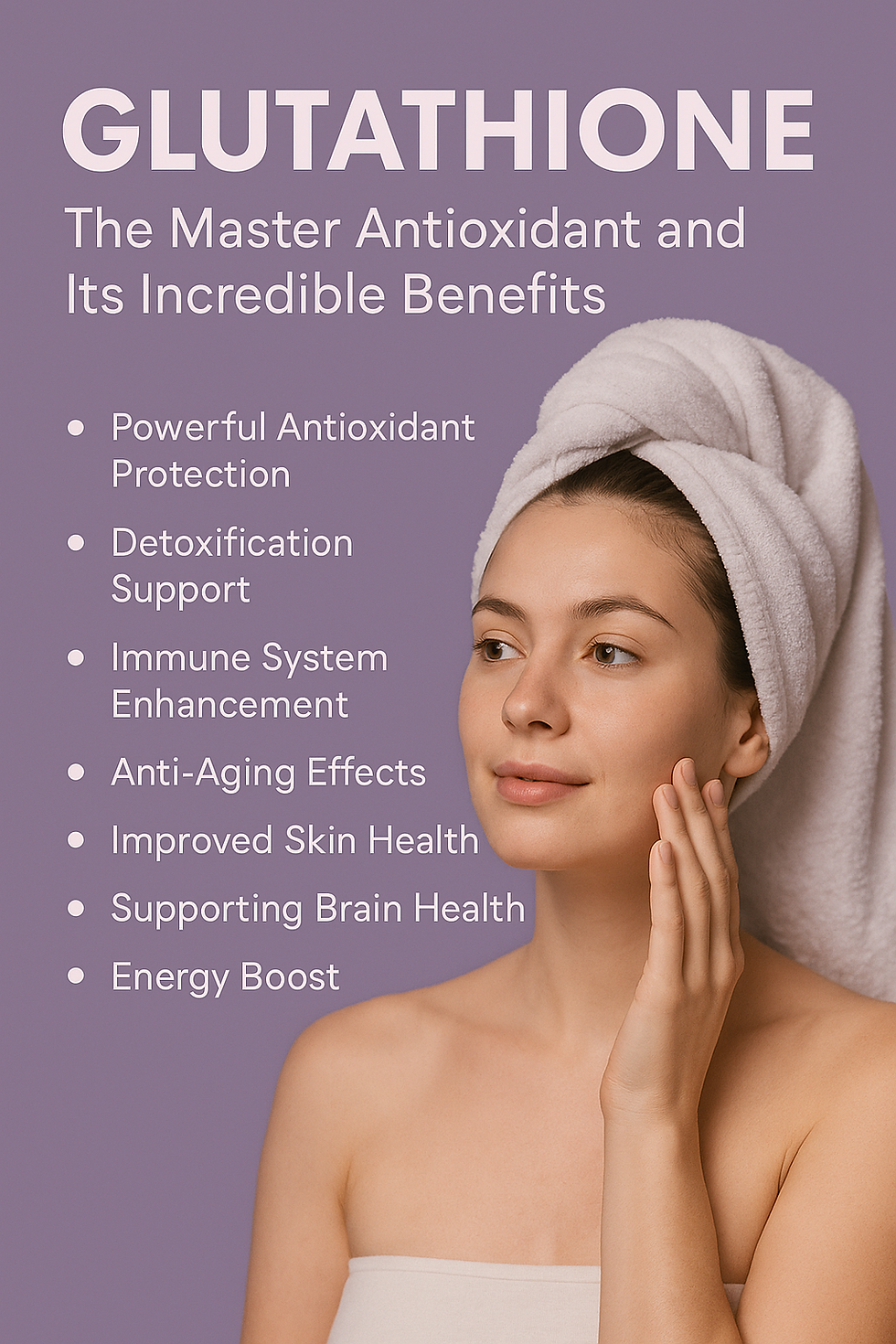
When it comes to maintaining optimal health and preventing disease, antioxidants play a critical role. Among them, glutathione is often hailed as one of the most important. Known as the "master antioxidant," glutathione is a powerful molecule that plays a key role in protecting cells from oxidative stress, detoxifying the body, and supporting immune function. In this blog, we'll explore what glutathione is, its numerous benefits, and the various ways it can be used to improve overall health.
What is Glutathione?
Glutathione is a naturally occurring antioxidant found in every cell of the body. It is a tripeptide, meaning it’s composed of three amino acids: glutamine, cysteine, and glycine. It is produced in the liver and has a variety of essential functions in the body, including protecting cells from damage, supporting the immune system, and helping with the detoxification of harmful substances.
As a potent antioxidant, glutathione neutralizes free radicals (unstable molecules that can damage cells), preventing oxidative stress, which is linked to aging and chronic diseases. Glutathione is also involved in various metabolic processes, including the regulation of gene expression, enzyme activity, and protein synthesis.
Benefits of Glutathione
Glutathione offers a wide range of health benefits, and its effects are far-reaching. Below are some of the most significant advantages:
1. Powerful Antioxidant Protection
Glutathione is one of the most powerful antioxidants in the body, scavenging free radicals and neutralizing reactive oxygen species (ROS). By doing so, it helps protect cells and tissues from oxidative damage, which can lead to chronic diseases such as heart disease, diabetes, and cancer.
2. Detoxification Support
The liver is the primary organ responsible for detoxifying the body, and glutathione plays a crucial role in this process. It helps break down toxins, heavy metals, and other harmful substances, making them easier for the body to eliminate. Adequate levels of glutathione are essential for effective detoxification, helping to keep the body free of waste and pollutants.
3. Immune System Enhancement
Glutathione is essential for maintaining a healthy immune system. It supports immune cell function and helps regulate the production of cytokines, which are proteins that play a role in immune responses. A well-functioning immune system is crucial for defending the body against infections, viruses, and other pathogens.
4. Anti-Aging Effects
Glutathione is often referred to as the "fountain of youth" due to its ability to fight oxidative stress, which accelerates the aging process. As we age, glutathione levels naturally decrease, leading to more oxidative damage and the visible signs of aging, such as wrinkles, fine lines, and loss of skin elasticity. Boosting glutathione levels can help reduce these signs and promote healthy, youthful skin.
5. Improved Skin Health
Due to its antioxidant and anti-inflammatory properties, glutathione has become a popular ingredient in skincare. It can help brighten the skin by reducing the production of melanin (the pigment responsible for dark spots and hyperpigmentation). Glutathione is also used in the treatment of conditions like acne, eczema, and psoriasis, as it helps to reduce inflammation and promote skin healing.
6. Supporting Brain Health
Glutathione plays a significant role in maintaining brain health. It protects brain cells from oxidative damage and helps prevent neurodegenerative diseases like Alzheimer’s and Parkinson’s disease. By reducing oxidative stress, glutathione helps preserve cognitive function, memory, and overall brain performance.
7. Energy Boost
A deficiency in glutathione can lead to fatigue and decreased energy levels. Since glutathione helps neutralize oxidative stress, it plays a critical role in maintaining energy levels and supporting mitochondrial function (the powerhouses of the cell). People with low glutathione levels often report feeling fatigued, so maintaining optimal levels can help increase stamina and energy.
Uses of Glutathione
While your body naturally produces glutathione, various factors such as stress, poor diet, illness, and aging can reduce its levels. Fortunately, there are several ways to increase glutathione levels in the body, whether through diet, supplementation, or other treatments.
1. Glutathione Supplements
Glutathione supplements are one of the most direct ways to boost levels of this powerful antioxidant. They come in various forms, including oral capsules, powder, and liposomal glutathione (which is better absorbed by the body). However, it’s important to note that the oral bioavailability of glutathione can be low, and some people may benefit more from alternative forms of supplementation.
2. Intravenous (IV) Glutathione Therapy
IV glutathione therapy is a more direct way to increase glutathione levels. By infusing glutathione directly into the bloodstream, it bypasses the digestive system and is more readily absorbed by the body. This treatment is often used in medical settings for individuals with chronic conditions, detoxification needs, or those seeking skin brightening benefits.
3. Dietary Sources of Glutathione
Although glutathione itself is not found in large amounts in foods, certain foods can help boost the body’s natural production of glutathione. These include:
Foods rich in sulfur (e.g., garlic, onions, cruciferous vegetables like broccoli, kale, and Brussels sprouts)
Vitamin C-rich foods (e.g., oranges, strawberries, kiwi, and bell peppers)
Selenium-rich foods (e.g., Brazil nuts, sunflower seeds, and tuna)
Whey protein (which contains cysteine, an amino acid necessary for glutathione production)
4. Exercise
Regular physical activity has been shown to increase glutathione levels in the body. Moderate exercise helps to stimulate the production of glutathione and can improve overall antioxidant defenses. However, overexercising can deplete glutathione levels, so it’s important to strike a balance.
5. Stress Reduction and Sleep
Chronic stress and poor sleep can lower glutathione levels, so managing stress through practices like meditation, yoga, and deep breathing, as well as ensuring adequate sleep, is essential for maintaining healthy glutathione levels.
Final Thoughts: Why Glutathione is Essential for Your Health
Glutathione is truly a powerhouse when it comes to maintaining optimal health. As the body’s “master antioxidant,” it plays a vital role in protecting cells, enhancing immune function, supporting detoxification, and promoting overall wellness. Whether you’re looking to combat aging, boost your energy, or support your skin health, glutathione has an important role to play.
While our bodies naturally produce glutathione, maintaining healthy levels through diet, supplementation, and lifestyle choices can help ensure that you reap the full benefits of this incredible molecule. If you’re considering adding glutathione to your health routine, it’s always a good idea to speak with a healthcare provider to find the best approach for your needs.


